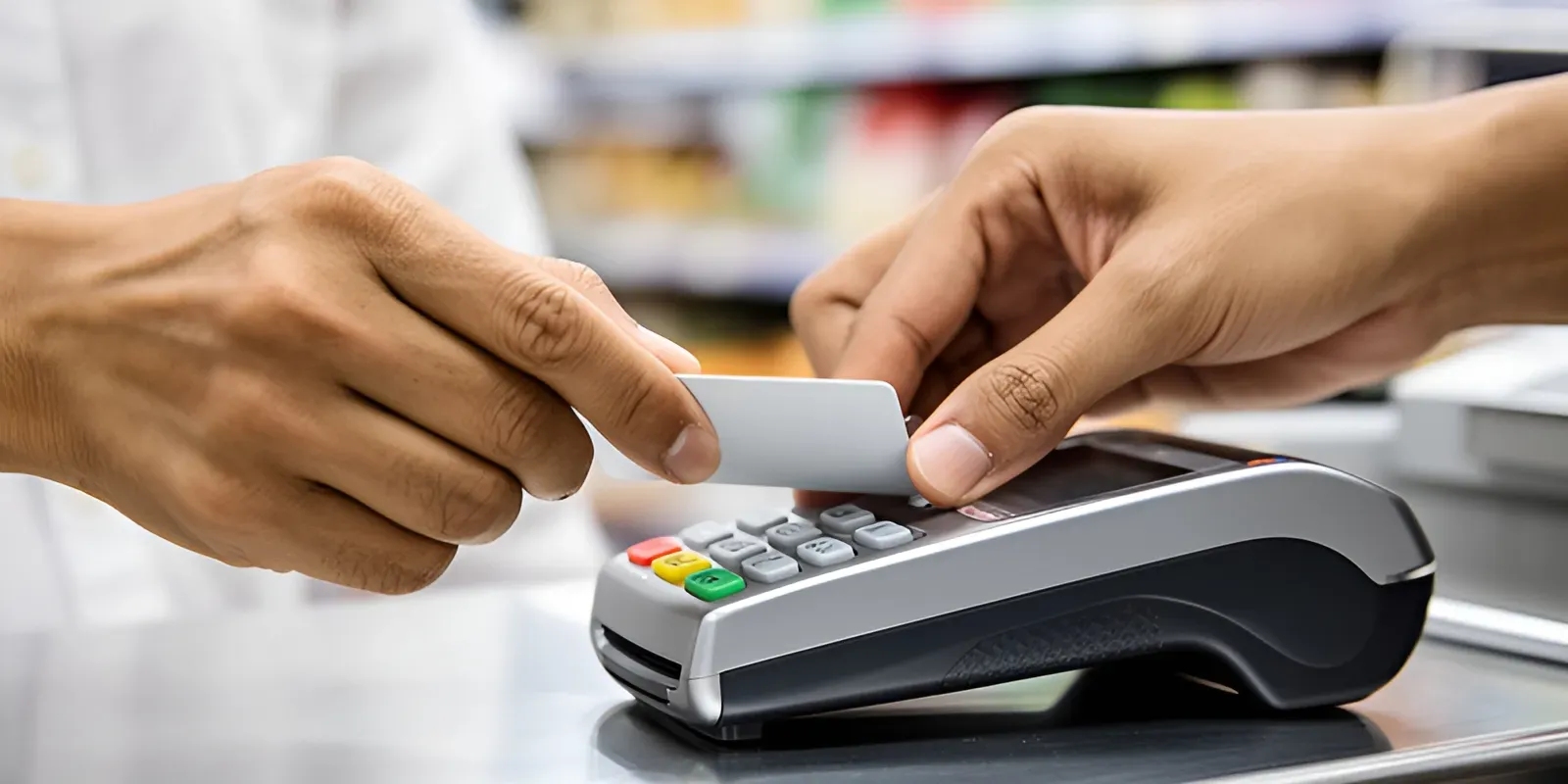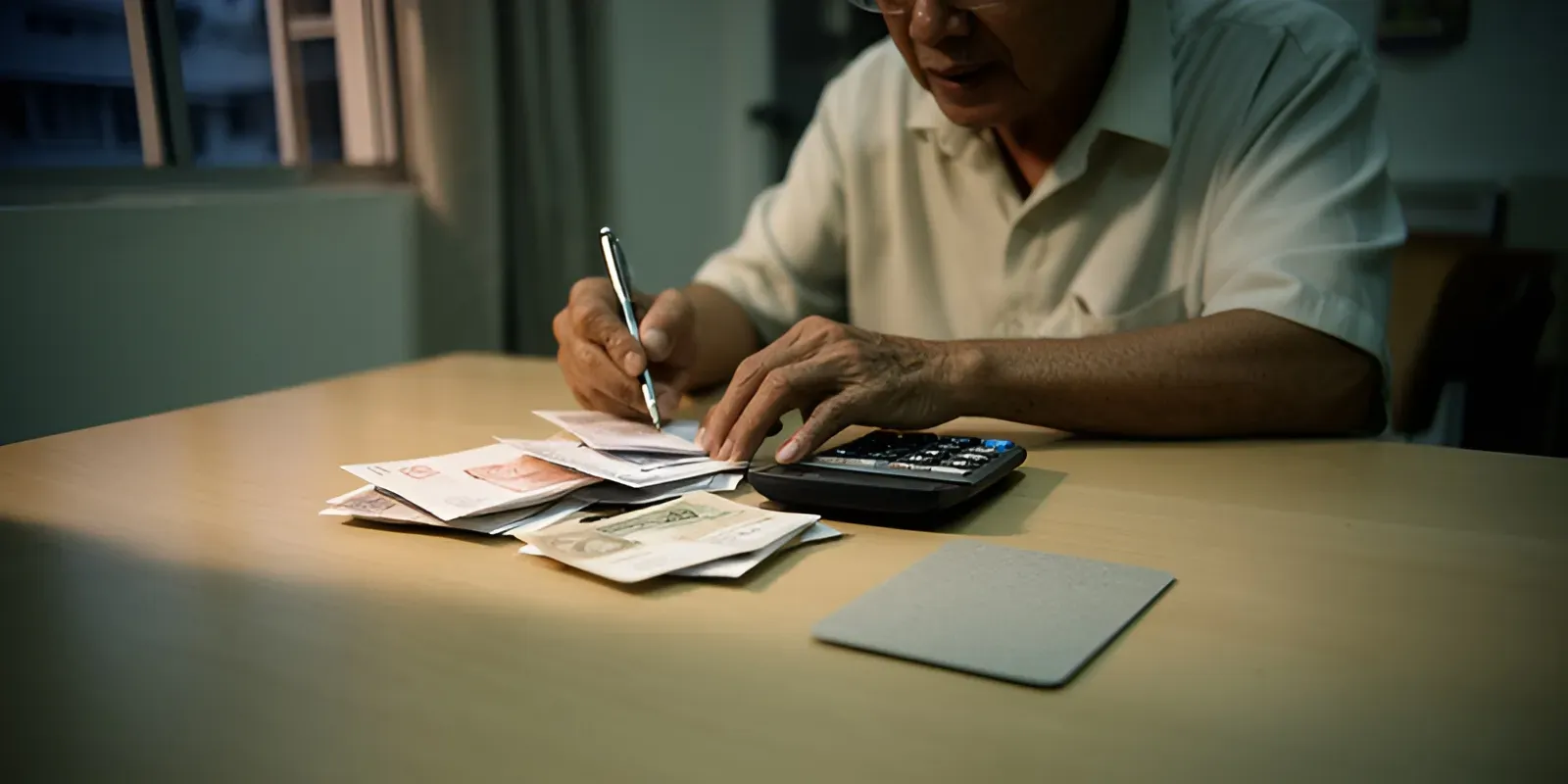
On the terms we could verify, the best credit card for utilities bills in Singapore earns 1.5%: the American Express True Cashback Card, whose exclusion list does not name utilities, insurance or education. Most other cards pay little or nothing on these bills, as at November 2026.
That is because banks carve bills out of their rewards. Utilities, insurance premiums, school fees, hospital bills and anything paid to the government sit on most exclusion lists. So the useful question is less “which card pays most” and more “which cards pay anything”.
How We Compared Cards for Bills
We read each issuer’s card page and its published exclusion list, and noted how four kinds of payment are treated: utilities, telco, insurance premiums and government payments. We kept cards where the bank’s own document gave a clear answer.
Banks decide by merchant category code (MCC). Utilities are MCC 4900, insurance is 6300, and government services fall in the 9000 range. Paying through an intermediary such as AXS changes the code and often removes the reward. We have not ranked the cards, and sign-up gifts and dated promotions are excluded.
Which Credit Cards Reward Utilities and Other Bills
Figures and exclusions are from each issuer’s own pages, as at November 2026.
| Card | Issuer | Utilities | Insurance premiums | Government and tax | Cap | Minimum spend | Annual fee | Minimum income |
|---|---|---|---|---|---|---|---|---|
| True Cashback | American Express | 1.5% | 1.5% | Not listed as excluded | None | None | $174.40; first year waived | Not shown on page |
| UOB Absolute Cashback | UOB | 0.3% | 1.7% | 0.3% | None | None | $196.20; first year waived | $30,000 |
| UOB One | UOB | Extra 1% on Singapore Power bills | Not stated | Not stated | Additional cashback capped at $120 a statement month | $600 a month for the quarter | $196.20; first year waived | $30,000 |
| OCBC 365 | OCBC | 0.25% | Excluded | Excluded | None on base rate | None for base rate | $196.20; first two years waived | $30,000 |
| Citi Cash Back+ | Citibank | Excluded | Excluded | Excluded | None | None | $196.20; first year waived | $30,000 |
| UOB PRVI Miles | UOB | Excluded | Not stated for Visa and Mastercard | Excluded | None stated | None | $261.60; first year waived | $30,000 |
The Maths on $450 of Bills a Month
Take an illustrative household with $200 of utilities and $250 of insurance premiums a month, $5,400 a year.
- American Express True Cashback: 1.5% of $450 is $6.75 a month, or $81 a year.
- UOB Absolute Cashback: 0.3% of $200 is $0.60 and 1.7% of $250 is $4.25. That is $4.85 a month, or about $58 a year.
- UOB One: the extra 1% on a $200 Singapore Power bill is $2 a month, or $24 a year, on top of whatever quarterly cashback the household already earns.
- OCBC 365: 0.25% of $200 is $0.50 a month, or $6 a year. Insurance earns nothing.
- Citi Cash Back+: nothing on either bill.
Now the fee. True Cashback’s annual fee is $174.40 after the first year, and UOB Absolute’s is $196.20. Either is more than a year of rewards on these bills. Bills alone do not justify a card with a fee you pay. They add a little to a card you would hold anyway.
The short version: Most cards pay nothing on utilities, insurance and government bills. The best verified rate is 1.5%, worth about $81 a year on $450 of monthly bills, which is less than one annual fee.
What Each Card Does, and the Catch
American Express True Cashback Card
American Express’s card page names utilities, telcos, insurance, education and healthcare among everyday spending. Its exclusion list for this card covers instalment plans, public transit and e-wallet top-ups, and does not list utilities or insurance. The same document does exclude those payments for the issuer’s other cards.
The catch: the biller must accept American Express, and the exclusion list says it can change. It does not suit bills payable only by GIRO, Visa or Mastercard.
UOB Absolute Cashback Card
UOB’s page headlines 1.7% and names insurance premiums. Its footnote and FAQ give 0.3% for utilities, government, education, healthcare, charity and professional services.
The catch: one section of the page shows utilities and telco bills under the 1.7% heading while the footnote gives 0.3% for utilities. We have used the lower figure. It does not suit a household hoping for 1.7% on its power bill.
UOB One Card
Cardholders who earn the quarterly cashback get an additional 1% on their Singapore Power utilities bill, excluding payments via AXS.
The catch: you must first qualify for quarterly cashback, which needs at least $600 of spend and 10 purchases in every month of the quarter. It does not suit someone who would use the card only for bills.
OCBC 365 Credit Card
OCBC’s exclusion list removes utilities (MCC 4900) for most of its cards but keeps them eligible on the 365. The card page gives the 0.25% base rate for recurring electricity payments to listed retailers and recurring telco bills.
The catch: insurance, education, hospitals, tax and government payments are excluded, and so are AXS and SAM. It does not suit anyone expecting the card’s 6% rate on bills.
Citi cards
Citi’s exclusion list, which covers the Cash Back+, Cash Back, PremierMiles and Rewards cards, removes utilities (MCC 4900), insurance (6300), education, hospitals, government services, tax and AXS.
The catch: rewards on bills come only through Citi PayAll, at a fee (below). They do not suit direct bill payment for rewards.
Miles cards
UOB’s PRVI Miles terms exclude utilities, government services, hospitals and AXS from points. HSBC Revolution’s page excludes insurance companies and education institutions. They do not suit bill payments.
Paying Bills Through a Service: The Fee Test
Bill-payment services charge your card and pay the biller by bank transfer, so the card sees an ordinary purchase. We could verify two.
CardUp states a standard fee of 2.9% for Singapore-issued cards, with promotional codes that change. Citi PayAll offers a fee option that earns rewards at the card’s base rate and a zero-fee option that earns nothing; Citi’s own illustration shows a $3,900 fee on $150,000 of payments, which is 2.6%.
Apply the test to a $250 insurance premium. At 2.9% the fee is $7.25. A 1.7% cashback card returns $4.25, a loss of $3. A card earning 1.4 miles per dollar returns 350 miles, so each mile costs about 2.07 cents. Unless you value a mile above that, the service costs more than it gives. The cashback vs miles calculator helps set that value. Also check that your card’s bank does not exclude the service itself.
When Not To Put Bills on a Card
- Your insurer or utility offers a GIRO discount or rebate larger than the card’s reward.
- You are paying bills by card to stretch cash flow. That is borrowing. UOB, for example, charges 27.8% a year on unpaid balances, and MoneySense notes the late fee is often a flat $100.
- You are chasing a minimum spend. Check first whether bills count towards it; OCBC, for one, leaves excluded transactions out of its minimum spend.
What To Do Next
- List your recurring bills and how each biller accepts payment.
- Open your card’s exclusion list on the bank’s website and look for MCC 4900, 6300 and the 9000 range.
- Keep a missed-payment safeguard such as GIRO for essential bills.
- For cards that do pay a flat rate on most spending, see our guide to cashback cards. The credit cards overview and the bank pages for UOB, OCBC and Citibank cover the rest. If a balance is building up, start with the debt payoff calculator.