Wedding customs costs in Singapore depend far more on what your two families expect than on any race or religion. Two Chinese families may handle betrothal gifts very differently, and so may two Malay or two Indian families. There is no official figure for any of these items.
What every couple can do is the same: list each custom both families want, find out who pays and how much, and put it in the budget as its own line. This guide explains the common customs in general terms and shows the method with our own illustrative numbers.
The short version: Ask both families early, write each custom down with an amount and who pays, and keep it separate from the banquet. Customary gifts are a matter of respect, so the conversation matters more than the figure.
Why Customs Belong in the Wedding Budget
Customary items are easy to leave out because they do not come from a vendor quote. Yet they often involve cash or gold changing hands weeks before the wedding, at the same time as deposits fall due.
Give them a line of their own in your wedding budget plan. In our illustrative S$50,000 plan, customs and gifts take $2,500; the worked example below shows a larger case.
Common Chinese Wedding Customs and Their Costs
Practices differ by dialect group and family. Common items include:
- Betrothal gifts (guo da li). The groom’s family presents gifts and a sum of money to the bride’s family. Some families return part of the money or the items. Ask what is expected and whether anything is returned.
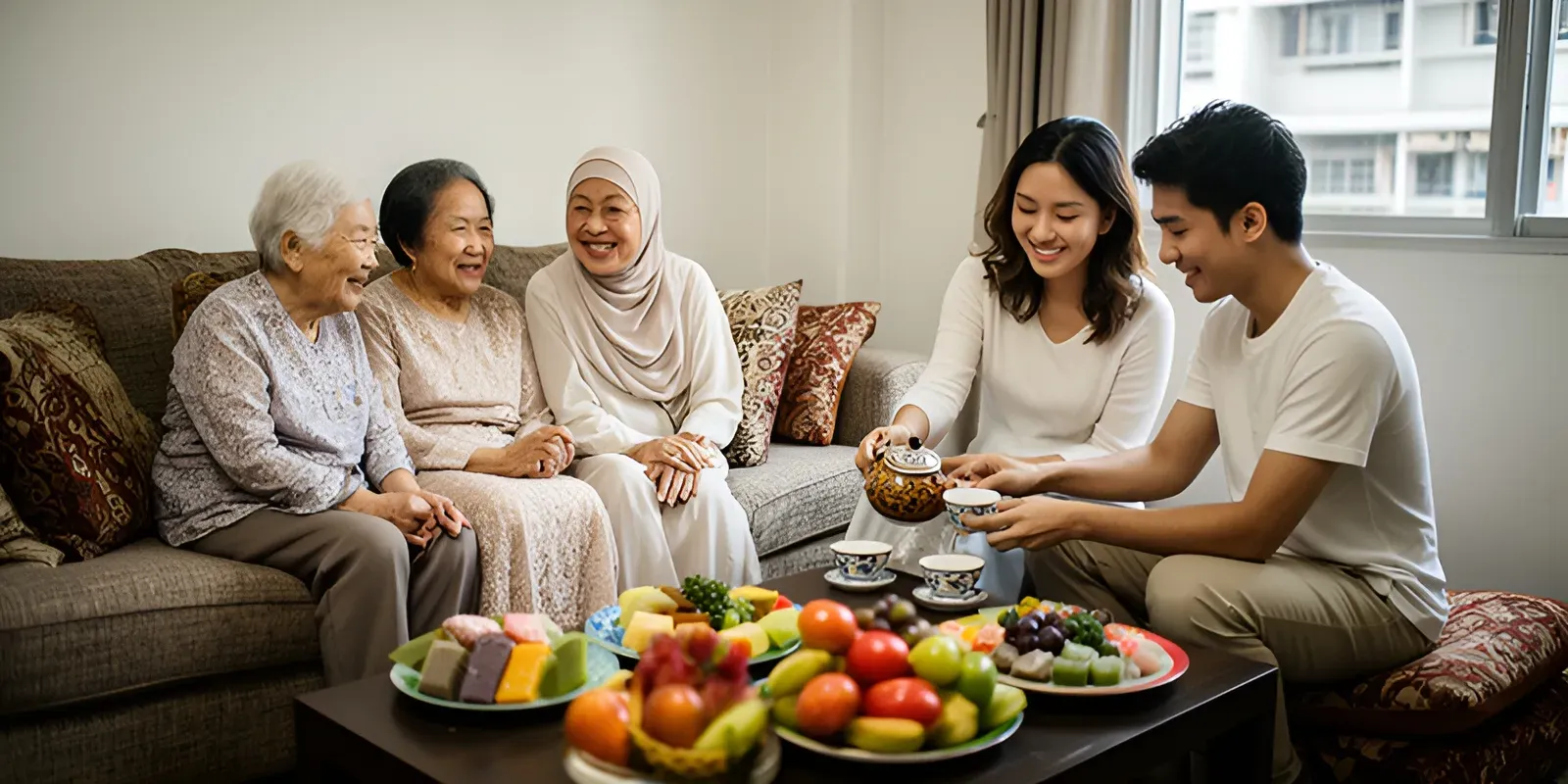
- Tea ceremony. The couple serve tea to elders, who usually give ang bao or jewellery. For the couple, the cost is mostly the tea set, outfits and food for relatives.
- Gatecrash and helpers. The groom’s party often gives ang bao to the bride’s friends at the door, and couples usually thank helpers with ang bao.
- Gold jewellery. Gold may be given by parents or elders, or bought by the couple.
Malay Wedding Customs: Mas Kahwin and Hantaran
Two terms are often confused.
- Mas kahwin is the marriage gift from the groom to the bride that forms part of a Muslim marriage. Its amount is entered in the marriage application to the Registry of Muslim Marriages (ROMM) through the Our Marriage Journey portal. Check the portal for the current requirements.
- Hantaran is a customary gift agreed between the families, often a sum of money with trays of gifts. It is a custom rather than a legal requirement, and the amount is a family decision.
Malay weddings often include a reception (majlis) for a large number of guests, sometimes at a void deck, a hall or a function venue, with catering priced per head. That reception can be the largest cost, similar to a banquet. The ROMM steps, including the wali’s consent and the Bersamamu session, are set out by Made For Families and in our guide to ROM and ROMM fees.
Indian Wedding Customs and Their Costs
Indian weddings in Singapore cover many communities and faiths, so customs vary widely. Common cost lines include:
- Ceremony costs at a temple, church or hall, such as hall rental, priests’ or officiants’ fees and flowers.
- Outfits for several functions, which can include more than one change on the wedding day.
- Gold jewellery, often a significant item, sometimes given by parents.
- Meals for guests at more than one function.
Ask each family which functions they plan to hold and who hosts each one.
Gold: A Gift, Not Savings
Gold jewellery appears in many wedding traditions. If you are buying it, remember that jewellery is usually priced above its gold content because of design and workmanship, and when sold it is generally valued on gold content only.
Our guides on gold purity and what 916 means and selling gold jewellery explain the maths. GST also differs: IRAS exempts only investment-grade precious metals, not jewellery.
A Worked Example: Budgeting S$6,000 for Customs
An illustrative couple list what both families have asked for. Our own figures, not suggested amounts.
| Item | Who pays (as agreed) | Amount |
|---|---|---|
| Betrothal gift, cash portion | Groom’s side | $2,000 |
| Betrothal gift items | Groom’s side | $800 |
| Tea ceremony set and refreshments for relatives | Couple | $400 |
| Gold jewellery bought by the couple | Couple | $1,800 |
| Ang bao for helpers and door games | Couple | $600 |
| Outfit changes for ceremonies | Couple | $400 |
| Total | $6,000 | |
| Expected back: part of betrothal cash returned (if the family does so) | −$1,000 | |
| Net cost to plan for | $5,000 |
Illustration only. Do not count on gifts received at the tea ceremony to pay for anything: like ang bao at the banquet, they arrive late and vary.
How to Have the Conversation
- Ask early and ask both families. Many disagreements come from assumptions, not amounts.
- Ask what, who and when. What is expected, who traditionally pays, and when it is given.
- Separate custom from preference. Some items are essential to a family; others are optional.
- Agree on returns. If part of a gift is customarily returned, agree how much so the budget is right.
What To Do Next
- List each custom both families want, with an amount and a payer, and add it to your budget planner.
- Check the legal requirements for your marriage on the Our Marriage Journey portal.
- Keep gold purchases separate from your savings goals.
- If the total is more than you can pay from savings, revisit the plan before considering a loan; our wedding cost guide puts the customs alongside the full budget, and the wedding loan comparison shows what borrowing costs.