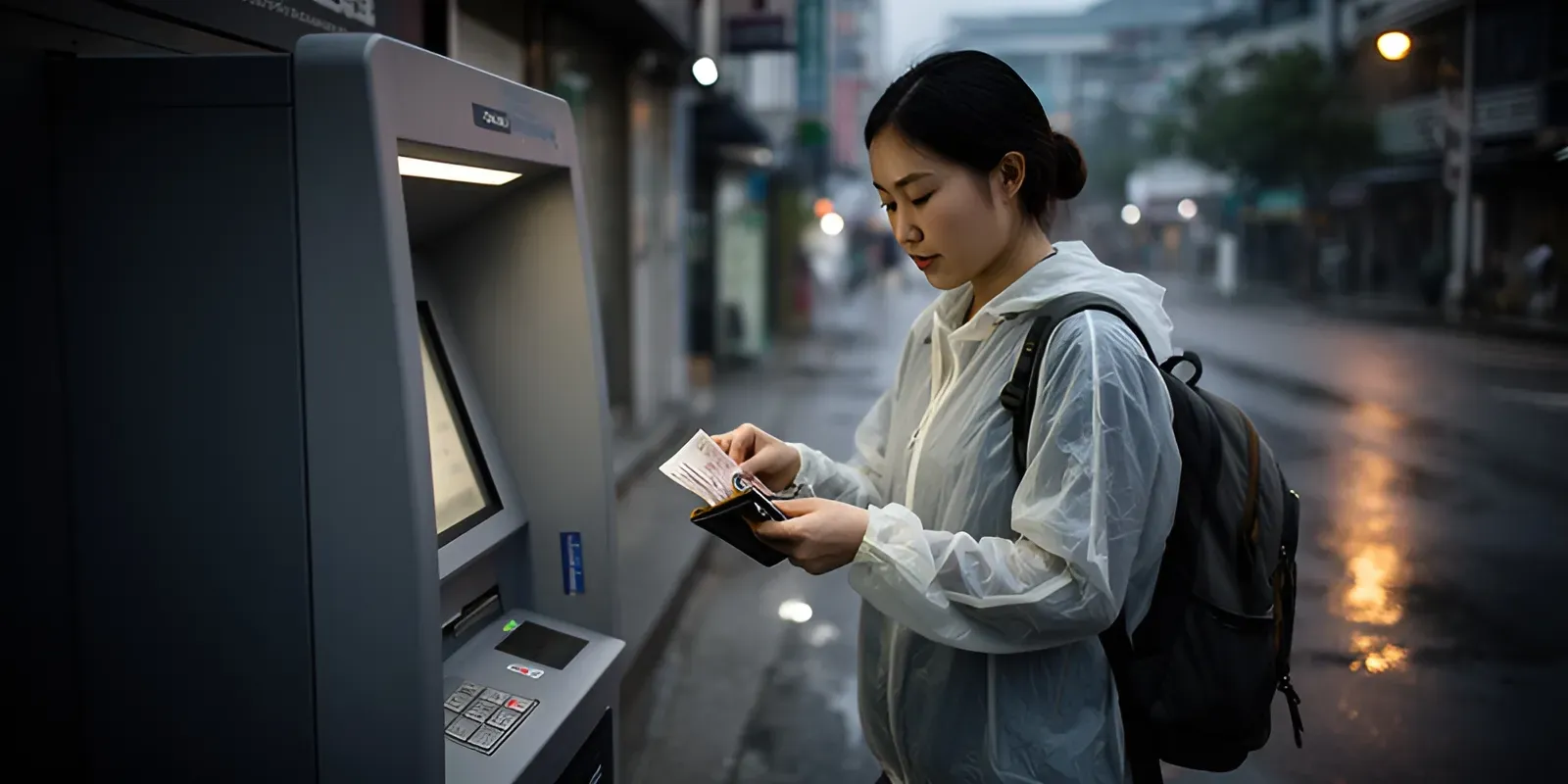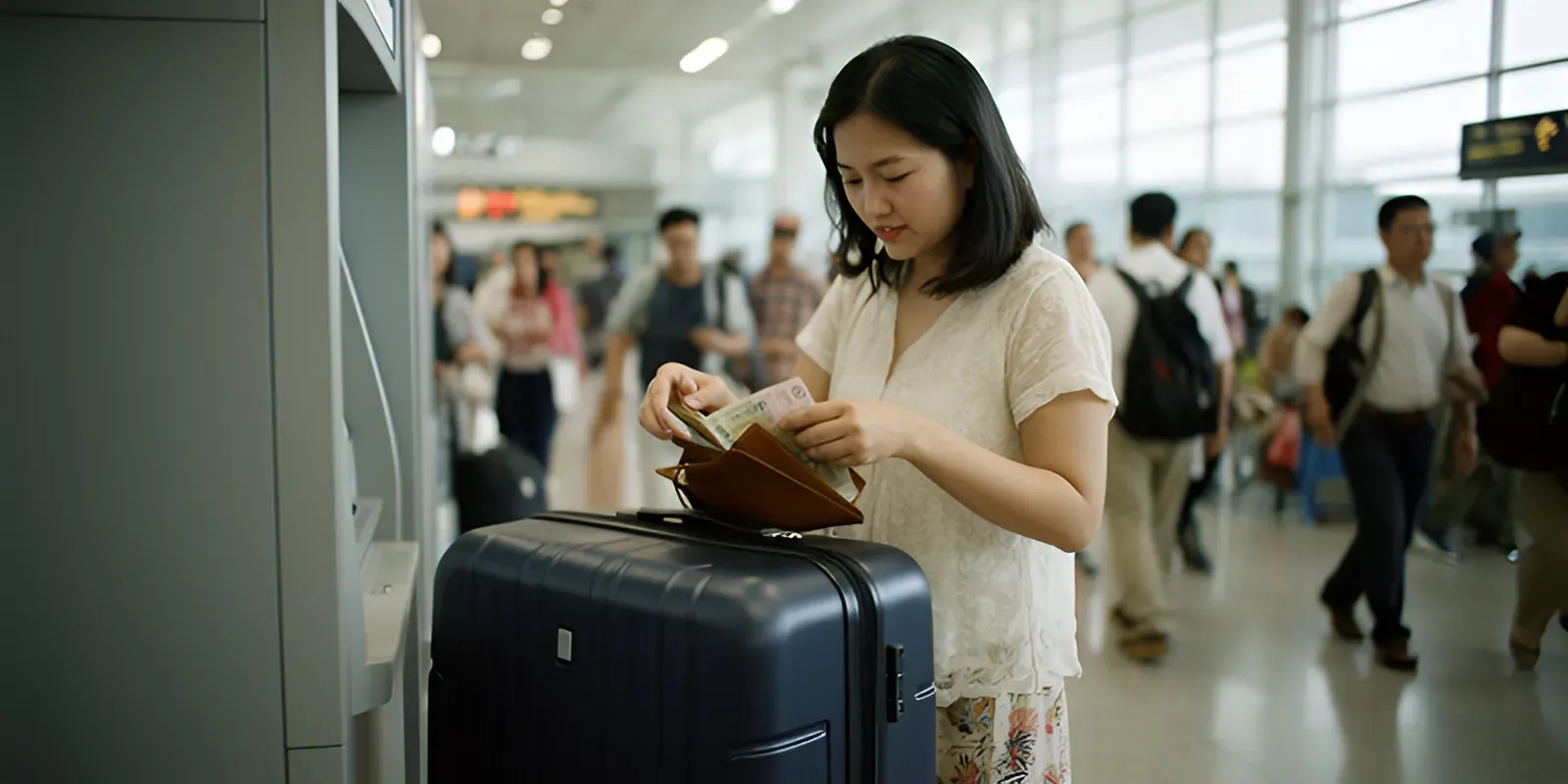
How much cash to bring overseas depends on how much of your trip must be paid in cash. Count the cash-only spending you can foresee, add a small emergency float, and plan to pay everything else by card or get it from an ATM as you go. For most holidays from Singapore, that means far less cash than people carry, and less to lose.
Here is a simple method, worked examples for three kinds of trip, and the one legal rule to know.
How Much Cash To Bring Overseas: The Method
- List the cash-only items. Street food, markets, small taxis, tips where customary, temple entry, parking, some local transport.
- Estimate a daily cash need for those items, then multiply by the days you will need cash.
- Add a float for emergencies, such as a card being declined or an ATM not working. One or two days’ worth is common.
- Decide how to get it. Change some before you go, withdraw the rest on arrival, or both.
Then check the card you will use for the rest. Our overseas ATM fees comparison and money changer vs multi-currency card guides cover the cost of each route.
Worked Examples
Illustration only, with our own figures for a couple.
| Trip | Daily cash need | Days | Float | Cash to bring |
|---|---|---|---|---|
| Bangkok, 5 days, street food and markets | S$60 | 5 | $60 | $360 |
| Tokyo, 7 days, mostly card | $30 | 7 | $60 | $270 |
| London, 7 days, card almost everywhere | $10 | 7 | $40 | $110 |
| Johor Bahru, 1 day | $30 | 1 | $20 | $50 in ringgit |
On a trip where much of the cash is needed later, consider bringing only the first two days’ worth and withdrawing the rest, so you are not carrying it all from day one. In Malaysia, Singapore’s Ministry of Foreign Affairs advises travellers to avoid carrying too much cash.
The short version: Bring cash for what must be paid in cash, plus a small float. Pay everything else by a low-fee card, and top up cash from an ATM only when needed. You will carry less and lose less if something goes wrong.
Getting the Cash: Three Routes
Money changer in Singapore. You land with cash in hand and no ATM fee. Rates vary between shops, so compare. Our money changer comparison shows how to check a rate.
Travel wallet at an overseas ATM. As at November 2026, Wise states S$100 a month free, Revolut Standard $350 or five withdrawals a rolling month, and YouTrip $400 a calendar month, with fees above that. The ATM operator may add its own charge.
Bank debit card at an overseas ATM. DBS, for example, lists a $7 service charge per withdrawal at most overseas ATMs. Some banks waive fees at their own or partner ATMs abroad.
Avoid using a credit card for cash. MoneySense explains that a cash withdrawal on a credit card is a cash advance, with its own fee and interest.
The S$20,000 Rule
Singapore does not limit how much cash you can carry. But the Singapore Police Force says anyone moving physical currency or bearer negotiable instruments of more than S$20,000, or the foreign-currency equivalent, into or out of Singapore must file a declaration (Form NP 727). It is filed online within 72 hours before arrival or departure, including through the MyICA app.
An incomplete or inaccurate report is an offence, with a fine of up to $50,000, up to three years’ jail, or both, and the cash may be seized. Other countries have their own declaration thresholds, so check before you travel with a large sum.
Keeping Cash Safe
- Split it. Keep some in a wallet, some in your bag and some in the hotel safe.
- Carry two cards from different providers as a backup to cash.
- Check what your travel insurance pays for lost or stolen cash; limits are often low. See our travel insurance comparison.
- Read the warning signs in our guide to card skimming and travel scams.
What To Do Next
- List your cash-only costs before your next trip and size your float.
- Check your card’s overseas ATM fees and free allowance.
- Put the whole trip, cash and card, into the budget planner.