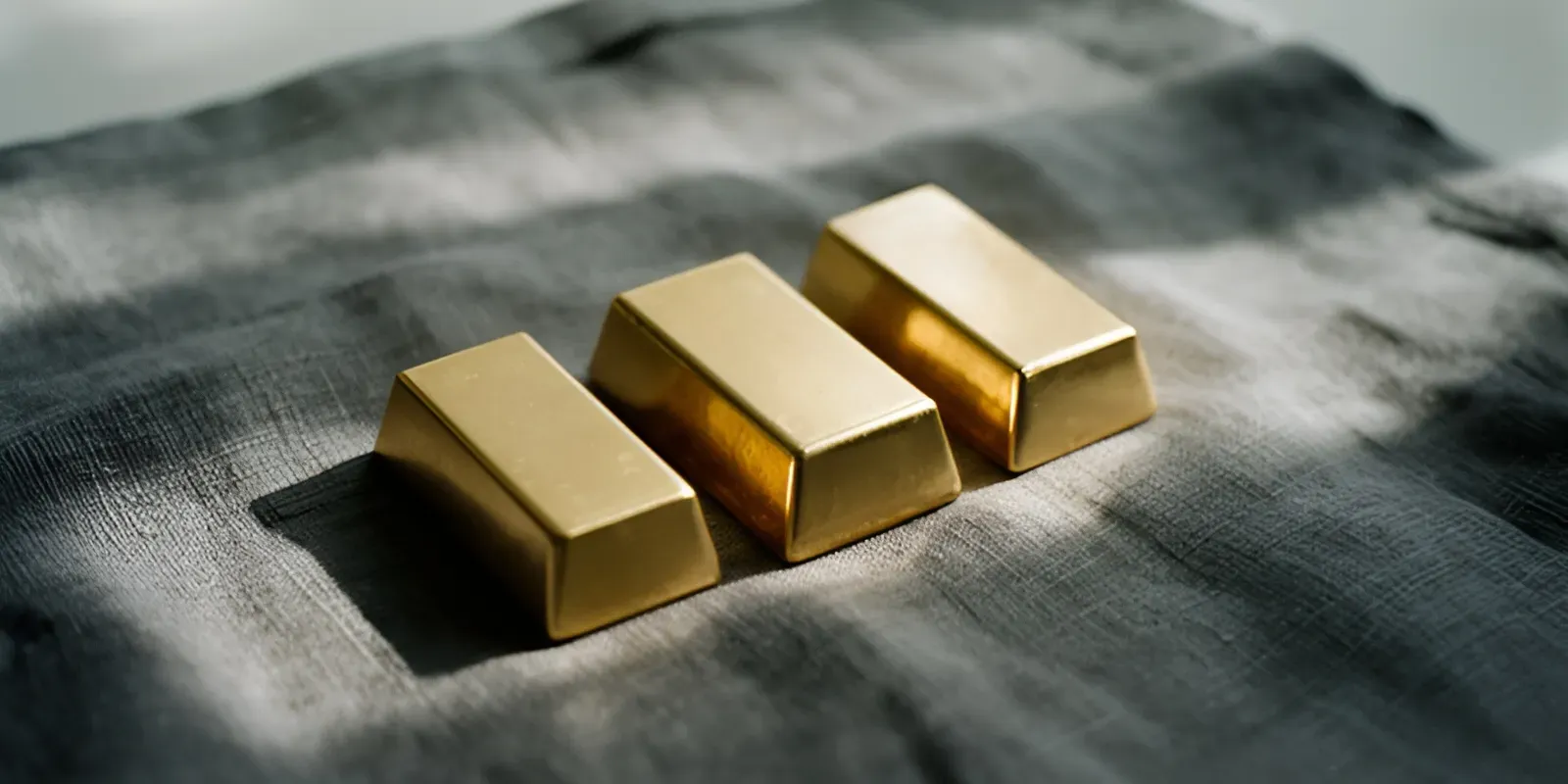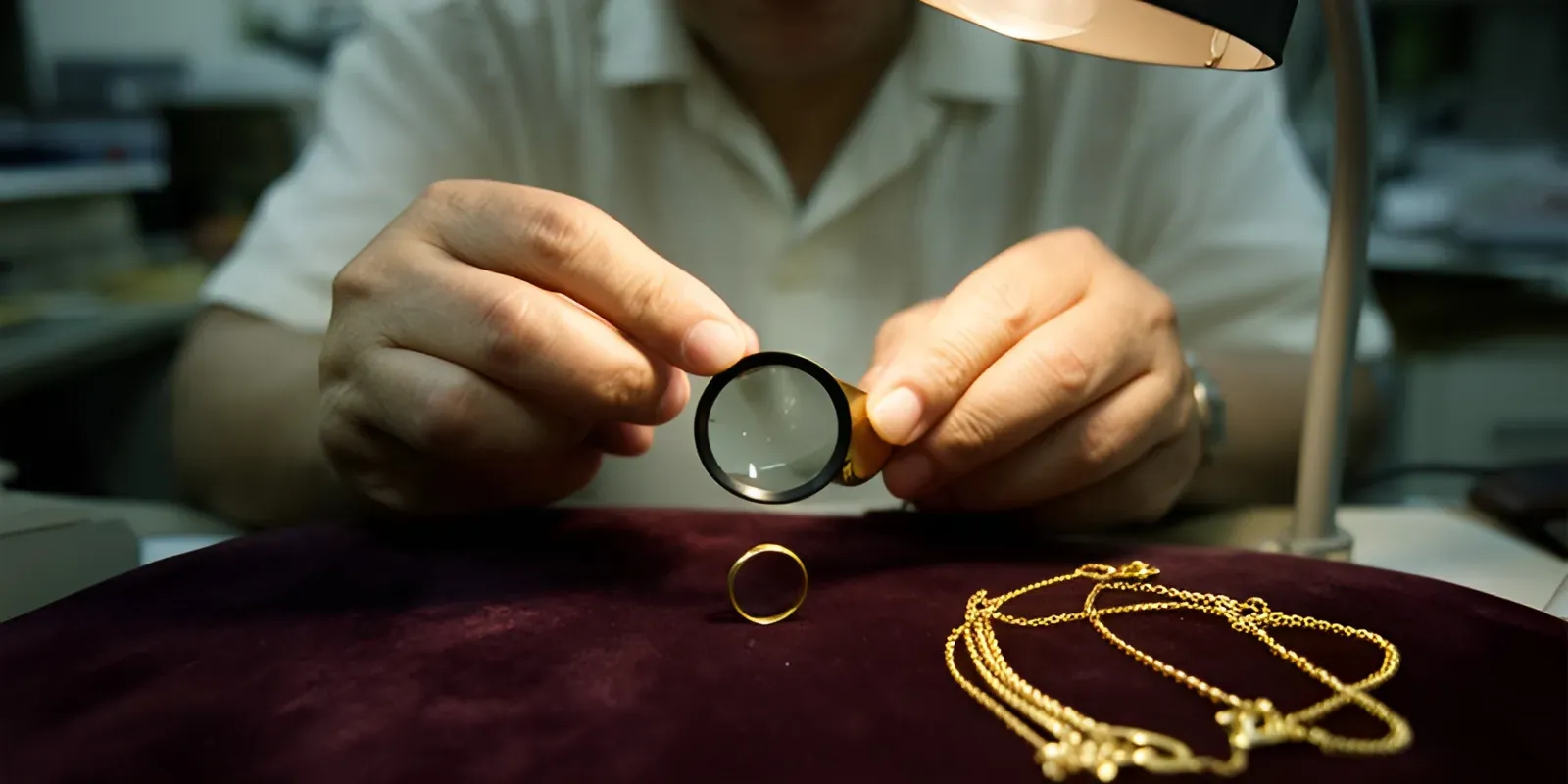
Gold purity is stamped in parts per thousand: 999.9 is 99.99% gold (24 karat), 916 is 91.6% gold (22 karat) and 750 is 75% gold (18 karat). The number tells you how much of the item’s weight is gold, and that sets most of what the gold is worth.
A karat is one part in 24. So 22K gold is 22 parts gold out of 24, which works out to 91.67%; in Singapore it is usually marked 916. Here is how to read the stamps and why they matter when you buy or sell.
Gold Purity Stamps: 999.9, 999 and 916 Compared
| Stamp (fineness) | Karat | Gold content | Where you usually see it |
|---|---|---|---|
| 999.9 | 24K | 99.99% | Investment bars and many bullion coins |
| 999 | 24K | 99.9% | Bars and some pure gold jewellery |
| 995 | Just under 24K | 99.5% | Minimum for LBMA Good Delivery bars and for GST-exempt investment gold |
| 916 | 22K | 91.6% | A common mark on Singapore gold jewellery |
| 833 | 20K | 83.3% | Some jewellery in Asia |
| 750 | 18K | 75% | Gem-set and white gold jewellery |
| 585 | 14K | 58.5% | Jewellery, popular in the United States |
| 375 | 9K | 37.5% | Jewellery, common in the UK |
Sources: World Gold Council for 999, 833, 750, 585 and 375; LBMA and IRAS for 995. The 916 figure is 22 ÷ 24.
The World Gold Council notes that 14K is strictly 583, but most makers go slightly over and mark it 585. It also says gold can only be refined to 999.9, so that is pure gold in practice.
The short version: the stamp tells you how much of the weight is gold. A 10 g ring stamped 916 holds 9.16 g of gold; a 10 g bar stamped 999.9 holds 9.999 g. Price per gram only means something once you know the purity.
Why Purity Changes What Your Gold Is Worth
Buyers pay for the gold content, not the total weight. An illustration at a made-up price of S$170 a gram of pure gold:
- A 20 g chain stamped 916 holds 18.32 g of gold, worth about S$3,114 at that price.
- A 20 g bar stamped 999.9 holds 19.998 g of gold, worth about $3,400.
The gap of about $285 is purely the difference in gold content. The gold value calculator does this sum for any weight, purity and price you enter, in grams, troy ounces or tahil.
Lower karats are not worse, only different. Pure gold is soft, so 22K and 18K jewellery is mixed with other metals for strength. The World Gold Council explains that alloys also change the colour: copper gives rose gold, and white metals such as palladium or silver give white gold.
Purity and GST on Gold
Purity also decides whether you pay 9% GST. Under the IRAS e-Tax guide on investment precious metals (twentieth edition, January 2026), gold bars and wafers must be at least 99.5% pure and come from a refiner on the LBMA Good Delivery list, among other conditions, to be exempt.
That means:
- Jewellery is never exempt, even if it is 999 gold.
- 22K bullion coins such as the gold American Eagle and Krugerrand are not on IRAS’s list of prescribed gold coins, so they are not exempt either.
Our guide to GST on gold has the full rules, and gold bars vs gold coins compares the two.
Hallmarks in Singapore
A stamp is a claim; a hallmark is a claim that someone has tested. In Singapore, hallmarking is voluntary. An article by the Singapore Assay Office’s Chief Assayer, published by the Singapore Bullion Market Association (an industry body), says a full hallmark has three parts: the Assay Office’s lion’s head mark, a standard mark showing purity (such as 999, 916, 22K, 750 or 585) and the jeweller’s own mark.
Singapore also has a national standard, SS 581:2020, for the fineness and marking of precious metal articles. If you are unsure about an item, ask the seller for its assay or a written description of purity on the invoice. Our guide to gold scams and fake gold covers the warning signs.
Purity When You Sell
When you sell, a dealer may test the item and pay on the purity it finds, not the stamp. Jewellery is usually bought for its gold content only, so the workmanship you paid for is lost. Our guide to selling gold jewellery explains how 916 pieces are priced.
Gold prices can fall as well as rise; past performance is not a guide; gold pays no interest.
What To Do Next
- Check the stamp and the invoice on any gold you buy, and keep the invoice for when you sell.
- Compare prices per gram of pure gold, not per gram of item weight.
- For investment gold, check the item meets the IRAS rules before you pay, and read how to buy gold in Singapore.
- Do your own due diligence. This is general information, not a recommendation to buy gold.