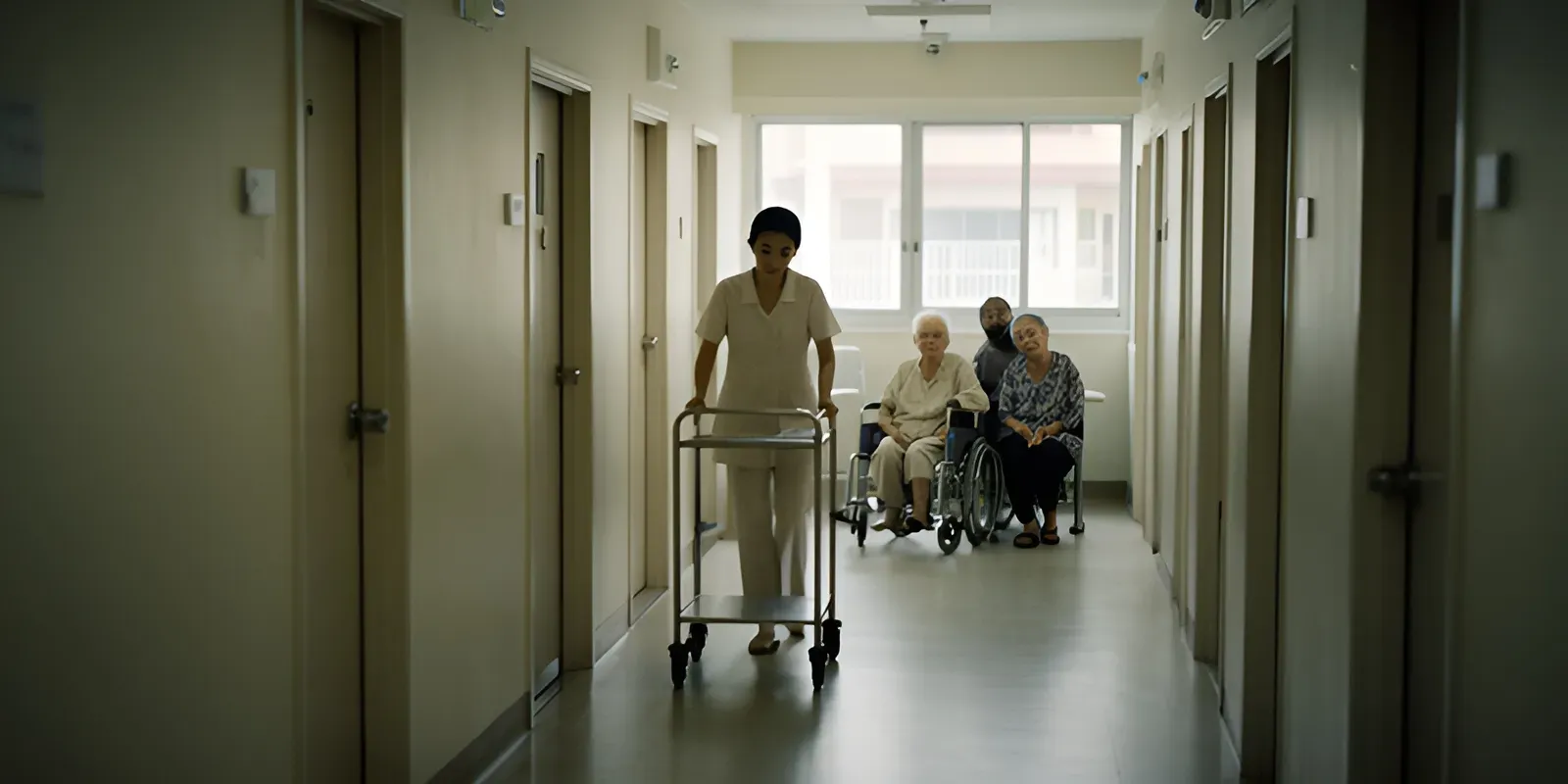
Integrated Shield Plan riders sold since 1 April 2026 work differently. Under rules the Ministry of Health (MOH) announced on 26 November 2025, a new rider can no longer pay the plan’s minimum deductible, and the yearly cap on what you co-pay has been raised to at least S$6,000 for eligible claims. Older riders are not automatically changed, so who is affected depends on when you bought yours.
This is the change most people in their 50s and 60s with a private hospital plan will hear about at their next renewal. Here is what it means in plain terms.
What an Integrated Shield Plan Rider Does
An Integrated Shield Plan (IP) has two parts: MediShield Life, and a private layer that covers higher ward classes or private hospitals. When you claim, you still pay a deductible first and then a share of the bill, called co-insurance.
A rider is a separate add-on, paid in cash, that pays part of that share for you. Before the 2026 rules, many riders paid almost all of it. That made claims nearly cost-free for the patient, and MOH says it pushed up both claims and premiums.
The figures MOH published make the point. IP policyholders with riders were 1.4 times as likely to claim, and their average claim was 1.4 times larger than for those without riders.
The Rider Rules That Changed on 1 April 2026
According to MOH’s announcement, three rules now apply to riders sold from 1 April 2026:
- No cover for the minimum deductible. New riders may not pay the deductible MOH sets for the IP.
- A higher co-payment cap. The most you co-pay in a year is now at least $6,000, up from at least $3,000 set in 2018. The cap does not include the deductible, and it applies only to eligible claims, such as panel or pre-authorised claims.
- The minimum 5% co-payment stays. You still pay at least 5% of the bill above the deductible.
The minimum deductibles MOH sets, per policy year, are:
| Where you are treated | Minimum IP deductible |
|---|---|
| Class A ward or private hospital | $3,500 |
| Class B1 ward | $2,500 |
| Class B2 ward | $2,000 |
| Class C ward | $1,500 |
| Day surgery or short stay, non-subsidised | $2,000 |
| Day surgery or short stay, subsidised | $1,500 |
The deductible is payable once a policy year, and several bills in the same year count towards it. MOH says deductibles and co-payments can be paid from MediSave, within the withdrawal limits.
The short version: A rider sold since 1 April 2026 leaves you paying the deductible plus at least 5% of the rest of the bill, with that 5% share capped at no less than $6,000 a year on eligible claims. In return, MOH expects new rider premiums to be about 30% lower on average than older riders with maximum coverage.
Who Is Affected
It depends on when the rider started.
- Bought on or after 1 April 2026. Your rider follows the new rules.
- Bought from 27 November 2025 to 31 March 2026. Insurers could still sell older-style riders until 31 March 2026, but MOH required them to tell buyers from 27 November 2025 that they will be moved to a compliant rider no later than their next renewal after 1 April 2028.
- Bought before 27 November 2025. MOH says rider contracts are between you and your insurer, and each insurer decides its own approach. Your rider may continue on its current terms, but read any renewal notice closely.
- No rider. Nothing changes for you. You already pay the deductible and co-insurance yourself.
A Worked Example From MOH
MOH’s own illustration shows the trade-off. Mr A, 60, has a knee replacement in a private hospital with a bill of $56,900.
- Under a new-style rider he pays the $3,500 deductible plus 5% of the remaining $53,400, which is $2,670. His total is $6,170.
- Under his old rider he would have paid $2,840, so the claim costs him $3,330 more.
- MOH estimates he saved $4,800 in rider premiums over the three years before that claim.
Whether the new design costs or saves you money depends on how often you claim. MOH estimates average yearly premium savings of about $600 for private hospital rider holders and about $200 for public hospital rider holders. It also notes that an average 60-year-old has about two day surgeries or hospital stays over the next 10 years.
Keep, Switch or Drop: What to Weigh
This is general information, not a recommendation for your situation. These are the points people commonly weigh.
The rider is paid entirely in cash. MoneySense states that rider premiums cannot be paid with MediSave. In your 60s and 70s, IP and rider premiums rise with age. Our article on how much MediSave can pay for your Shield plan shows how the cash share grows.
An older rider cannot be bought back. Riders that pay the deductible are no longer sold. If you drop one, the only riders you can buy afterwards follow the new rules, and the insurer may ask health questions first.
What you would pay on a typical claim. Work out the deductible for the ward you would use, plus 5% of a plausible bill. Then compare that with a few years of rider premiums. MOH’s knee replacement example is a useful template.
Panel doctors matter more now. The $6,000 cap applies only to eligible claims, such as treatment by the insurer’s panel doctors or pre-authorised claims. Outside the panel, your share can be higher.
Your plan tier still matters most. A rider changes your share of a bill. It does not change the ward your IP is built for. See how to compare Integrated Shield Plans on MOH’s tables.
What To Do Next
- Use our Shield premium and MediSave calculator to see what your plan and rider cost in cash over time.
- Find your rider’s start date on your policy schedule or your insurer’s app, and note which group above you fall into.
- Read your next renewal letter for any change to your rider’s terms or premium.
- Use the health insurance terms glossary if words like “pro-ration” or “pre-authorisation” come up.
- Check where your IP sits among the layers in our guide to health insurance in Singapore.
- You can also ask your insurer directly what happens to your rider at renewal.