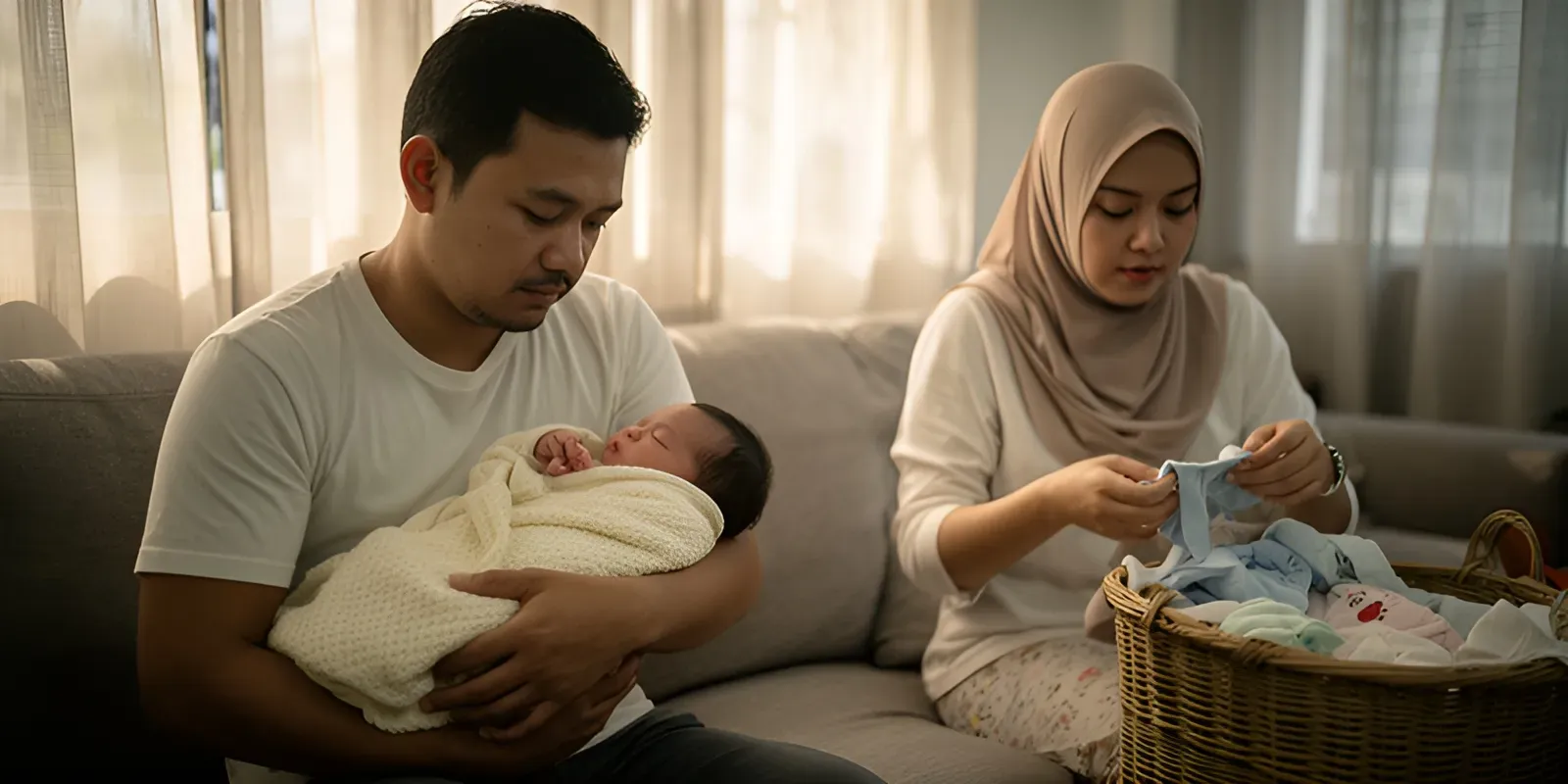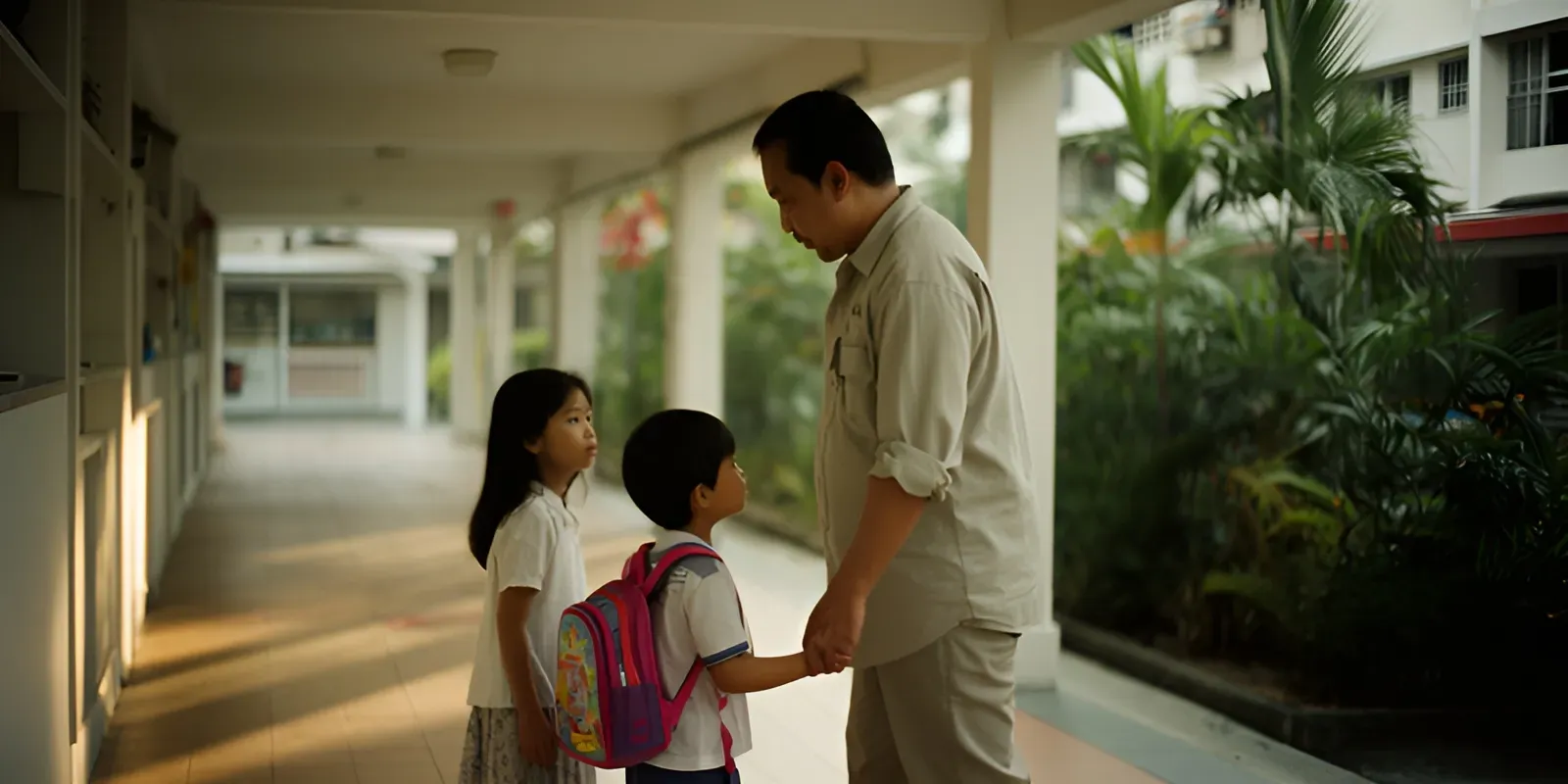
The childcare leave increase announced at the National Day Rally on 23 August 2026 gives each working parent 8, 10 or 12 days a year, depending on how many children aged 12 and below they have. The current childcare leave and extended childcare leave schemes will merge into one, and the government will pay for all child-related leave up to the reimbursement limit.
The start date has not yet been announced. In the meantime, today’s entitlements apply.
Updated 13 November 2026 with the entitlement table published by Made For Families.
The Childcare Leave Increase in Numbers
From Made For Families and gov.sg:
| Children aged 12 and below | Days a year per working parent | Both working parents combined |
|---|---|---|
| 1 child | 8 days | 16 days |
| 2 children | 10 days | 20 days |
| 3 or more children | 12 days (capped) | 24 days (capped) |
Today: a working parent whose youngest Singapore Citizen child is 6 or younger gets 6 days of childcare leave a year, and one whose youngest is 7 to 12 gets 2 days of extended childcare leave.
So a parent of one primary-school child, who gets 2 days today, would get 8 under the new scheme. A parent of two preschoolers would go from 6 days to 10.
The short version: More childcare leave is coming for parents of children up to age 12, paid for by the government, but no start date yet. Employers are encouraged to talk through leave plans with staff early.
What It Means for a Family: A Worked Example
Illustration only, once the new scheme starts. A couple, both working, have a five-year-old and an eight-year-old.
| Today | Under the new scheme | |
|---|---|---|
| Days per parent | 6 (youngest child is 6 or under) | 10 (two children aged 12 and below) |
| Days for the couple | 12 | 20 |
When the younger child turns 7, today’s rules would cut each parent to 2 days of extended childcare leave. Under the new scheme, each parent keeps 10 days while both children are 12 or below, then 8 days while one is. Those extra days can cover school holidays, sick days and appointments without using annual leave.
Government to Pay for All Child-Related Leave
The government will cover the cost of maternity, adoption, paternity, shared parental and childcare leave for all birth orders, up to the reimbursement limit, according to Made For Families. This is meant to reduce employers’ costs and make it easier for parents to take leave. It will also apply to eligible self-employed persons, who can already claim compensation for lost income during government-paid leave.
How It Fits With Other Parental Leave
These changes come on top of leave already in force, according to MOM:
- Paternity leave: 4 weeks of Government-Paid Paternity Leave for children born on or after 1 April 2025, with employer reimbursement capped at $2,500 a week (MOM).
- Shared parental leave: 10 weeks to share between parents for children born from 1 April 2026, taken within 12 months of the birth (MOM).
- Maternity leave: 16 weeks of Government-Paid Maternity Leave for eligible mothers of Singapore Citizen children (MOM).
Our guide to the cost of having a baby shows how leave fits into the first-year budget.
The Other Family Measures From the Rally
- An extra BTO ballot chance per child. From the February 2027 sales exercise, first-timer families with or expecting children get one additional ballot chance for each Singapore Citizen child aged 18 and below, for BTO and Sale of Balance Flats applications. Today, first-timer families get two chances, and couples in the First-Timer (Parents and Married Couples) category a third, according to HDB. See our BTO money plan for couples.
- The SG Child Support Package, replacing the Baby Bonus from April 2027: see our story on the SG Child Support Package.
- Lower preschool fees from 2028: see preschool fees to fall by 2030.
The Marriage and Parenthood Reset Workgroup, whose first recommendations these are, will publish fuller recommendations in early 2027.
What Working Parents Can Do Now
- Check how many days of childcare leave you have left this year under the current rules on MOM’s childcare leave page.
- If you are expecting, give your employer the notice MOM requires for paternity and shared parental leave, which is 4 weeks unless your employer agrees to less.
- Watch for the start date of the new scheme, expected to be announced with further details.