A Johor Bahru day trip money plan has three parts: a small amount of ringgit cash for cash-only stops, a low-fee card for bigger bills, and a Singapore banking app that can scan Malaysian DuitNow QR codes. Add the cost of getting across, which depends on whether you take the bus, drive, or, from 2027, the RTS Link.
Here is how each piece works, with the rules that apply as at November 2026.
Getting Across: What Each Route Costs You
Bus. Cross-border buses remain the simplest option for most people. ICA has encouraged travellers to consider them during peak periods. Check fares and timings on the operator’s site or LTA’s MyTransport.SG app.
RTS Link. The rail shuttle between Woodlands North and Bukit Chagar is now expected to start passenger service in February 2027, subject to safety certification and approvals. No fare has been announced. See our RTS Link news story.
Driving. If you drive a Singapore-registered car, budget for:
- Malaysia’s Vehicle Entry Permit (VEP) and RFID tag. MFA says Singapore-registered car owners have had to apply for a VEP since 1 July 2025, through JPJ’s VEP portal, plus Malaysia’s road charge. Check current charges on the JPJ portal; they are set by Malaysia and can change.
- Tolls on both sides of the Causeway or Second Link.
- Fuel. LTA requires a Singapore-registered vehicle’s fuel tank to be at least three-quarters full when leaving Singapore. This applies to all vehicles, including hybrids.
For clearance, ICA says QR code clearance via the MyICA app has been fully implemented at the land checkpoints since January 2025. Update the app before you set off.
On the Malaysian side, Singapore’s Ministry of Foreign Affairs says Singapore passports must be valid for more than six months at entry, and that Singapore passport holders are exempt from the Malaysia Digital Arrival Card at all entry points. Malaysia is also rolling out its own immigration clearance system; check Malaysia’s Immigration Department for what applies to you.
Johor Bahru Day Trip Money: Cash, Card or QR?
| Method | Good for | Watch out for |
|---|---|---|
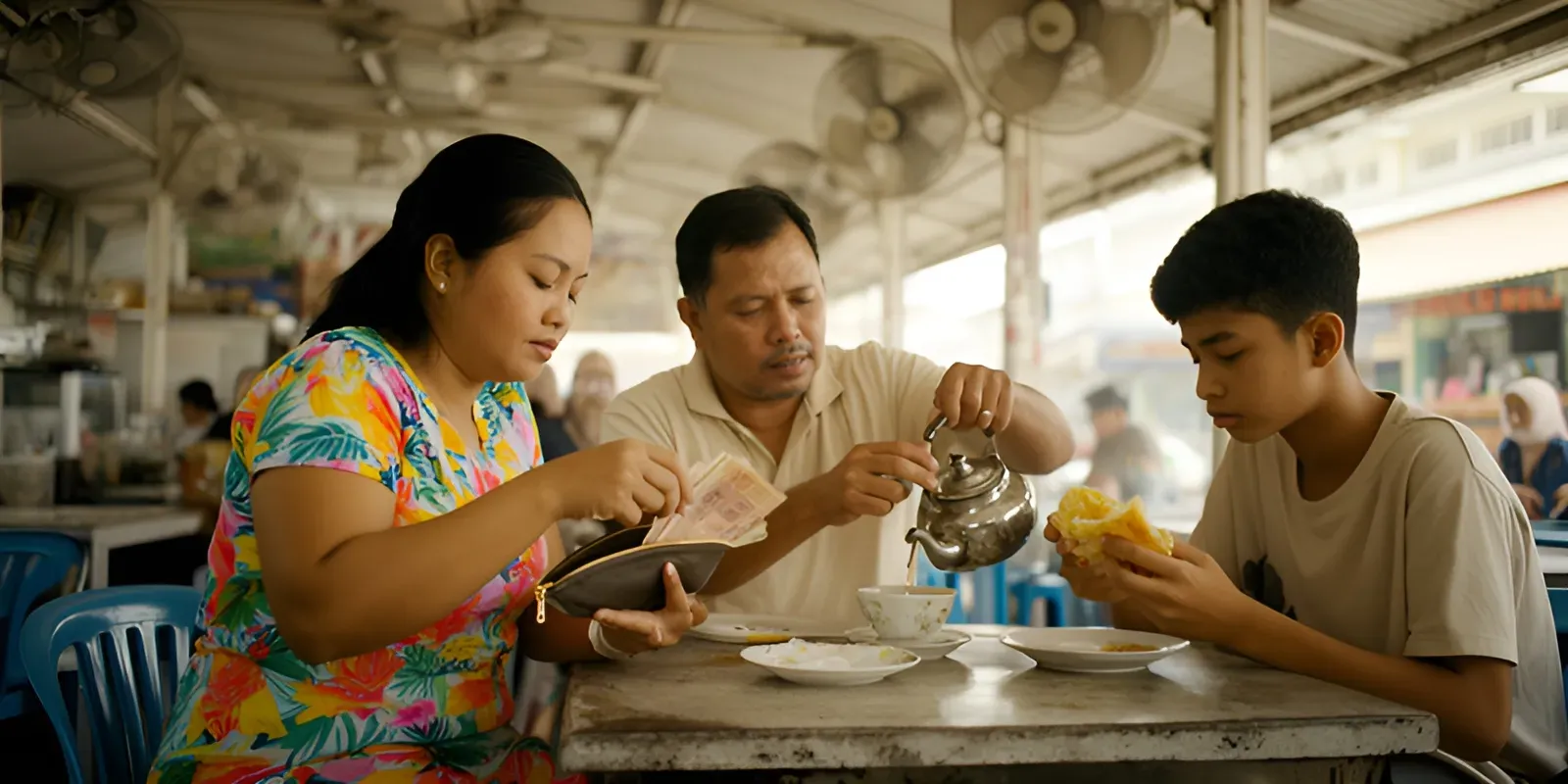
| Ringgit cash | Small stalls, markets, parking, tips | Rates differ between money changers; leftover notes |
| Card in ringgit | Malls, restaurants, larger bills | Your card’s foreign currency fee; “pay in SGD?” prompts |
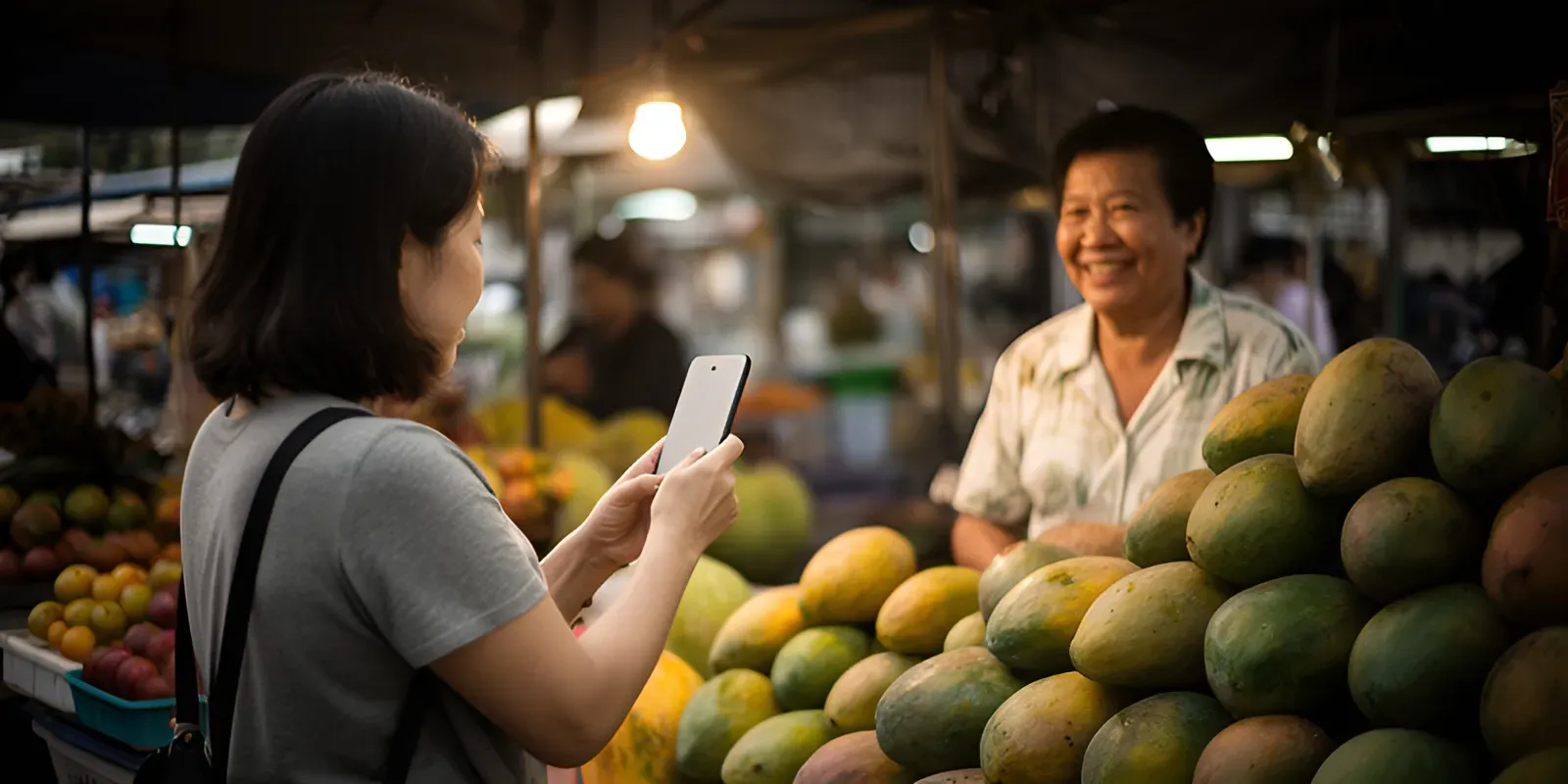
| DuitNow QR via Singapore bank app | Shops and stalls showing a DuitNow QR code | Check the rate shown in the app before confirming |
| Travel wallet card | Card payments and ATM cash | Monthly free ATM limits; top-up rules |
Scanning DuitNow QR codes
MAS and Bank Negara Malaysia launched cross-border QR payments on 31 March 2023. Customers of participating institutions can scan merchant QR codes to pay between Singapore and Malaysia. DBS, OCBC and UOB were the Singapore participants at launch.
NETS lists DBS PayLah!, OCBC Digital, UOB TMRW and Maybank2u SG among the apps that can scan DuitNow QR in Malaysia, and says it charges no currency conversion fee, with no bank admin charges. The app shows the ringgit amount, the rate and the Singapore-dollar total before you confirm. Our guide to paying by QR overseas covers the other countries.
Paying by card
If your bank card charges a foreign currency fee, every ringgit purchase carries it. For frequent JB trips, a no-fee card or wallet can make a noticeable difference. Compare options in our multi-currency card comparison.
Say No to “Pay in SGD?”
Some JB shops and terminals offer to charge you in Singapore dollars. That is dynamic currency conversion: the merchant sets the rate. DBS, for example, lists DCC fees of 1% on Mastercard and Visa credit cards and 2.8% on debit cards, on top of the merchant’s rate. Choose ringgit.
The short version: For a JB day trip, carry a small ringgit float for cash-only stops, pay bigger bills by low-fee card or DuitNow QR from your bank app, and always choose ringgit over SGD.
A Sample Day Budget
Illustration only, with our own figures. A couple spending a Saturday in JB by bus:
| Item | Paid by | Amount |
|---|---|---|
| Breakfast at a coffee shop | Cash | RM 30 |
| Lunch at a mall | Card or QR | RM 120 |
| Groceries | Card or QR | RM 250 |
| Snacks at a market | Cash | RM 40 |
| Bus fares | As charged by operator | Check operator |
On this plan, only RM 70 needs to be cash, so a float of about RM 100 covers it with room to spare. The rest goes on card or QR.
What To Do Next
- Check that your banking app supports DuitNow QR before you cross, and turn on overseas use if your bank requires it.
- If you drive, check your VEP status on the JPJ portal and fill the tank before you leave.
- Read how much cash to bring overseas for a simple way to size your ringgit float.
- Track what regular JB trips really cost with the budget planner.